
Every overlander knows the moment. The ground goes from “slightly soft” to “actively trying to eat your truck.”
One second you’re cruising a two-track, already picturing camp. The next, you hear that awful sucking sound. The tires spin. The rig sinks. A calm voice in your head says, you’re not camping where you planned.
Welcome to the mud.
It always starts with optimism. Someone stands outside the truck, hands on hips, and says, “It looks fine.” Meanwhile, the ruts are eight inches deep and a bird on a fence post seems embarrassed for you.
Then come the five stages of getting stuck:
- Denial: More throttle.
- Bargaining: Maybe push?
- Assessment: Circle the truck like you’re solving a crime.
- Acceptance: Time for the recovery gear.
- Victory: You’re back on solid ground celebrating like you won Baja. You actually just recovered the last twenty minutes of your life.
The funny thing is how getting stuck changes your standards. The campsite you’d have ignored an hour earlier suddenly feels like five-star lodging. Coffee tastes better. The stars look brighter. Earning camp has a way of making it feel more rewarding.
Mud is also an honest teacher. It reveals whether your traction boards are accessible, your tow strap is untangled, and whether you aired down before the soft section instead of after.
A few essentials are worth carrying every trip: traction boards, a quality tow strap with rated shackles, a real shovel, and a habit of airing down before soft terrain.
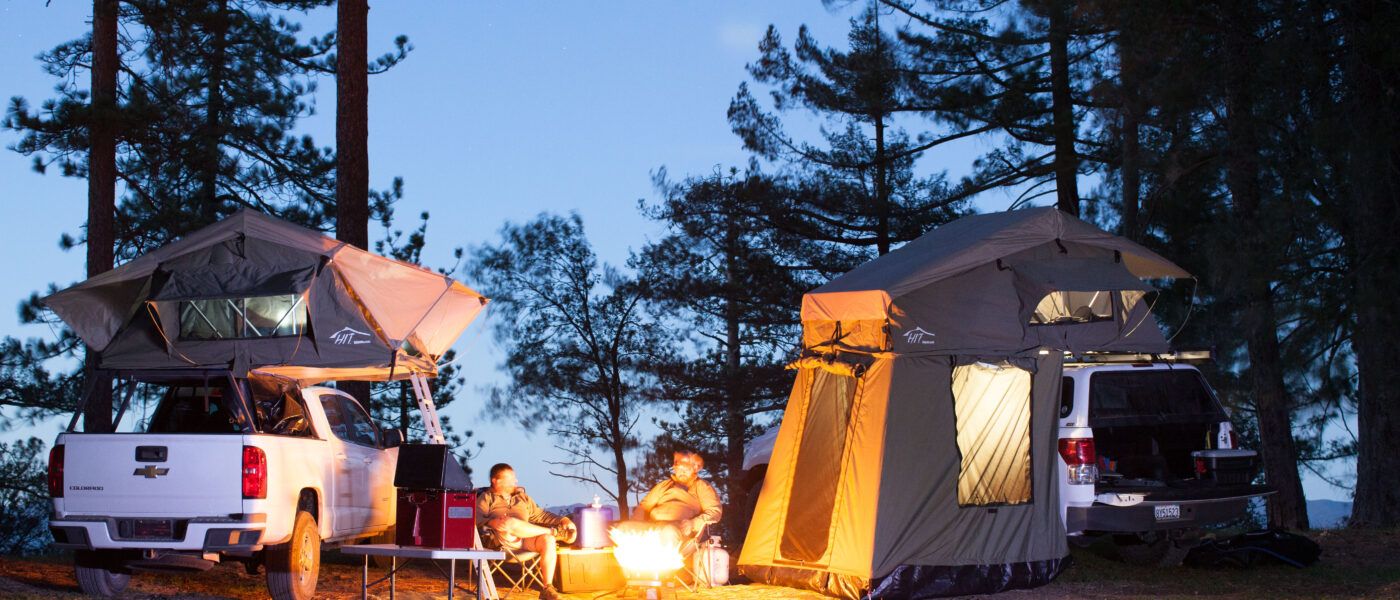
And a rooftop tent? It won’t pull you out of the mud, but when recovery is finally over, it’s nice knowing your bed is already waiting.
The mud will happen again. So will the stories. And around a campfire, the stories are half the reason we go.
See you out there. Try to stay on the hard stuff.