
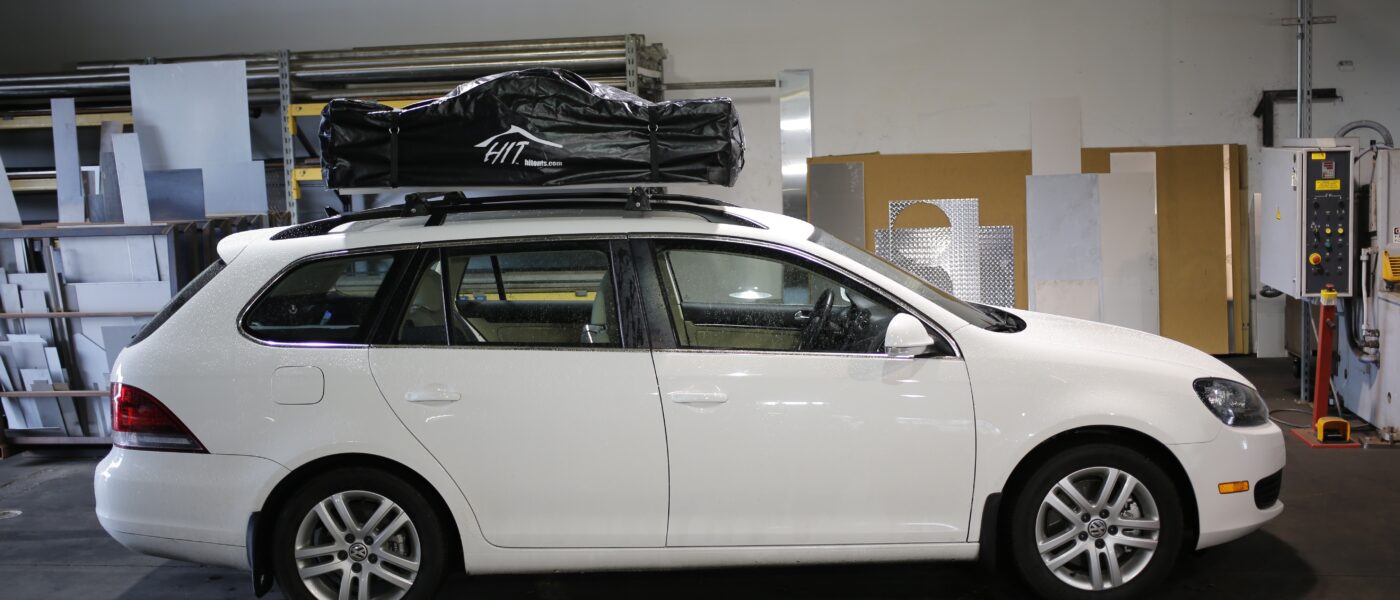
It’s one of the first questions people ask before buying a rooftop tent. Your roof rack isn’t just holding the tent while parked. It’s supporting real weight on real roads at highway speeds.
Here’s what matters. Not Every Rack Is Built for a Rooftop Tent
A rack designed for a bike or kayak isn’t automatically rated for a rooftop tent. Pay attention to both:
• Dynamic load: Weight the rack can support while driving.
• Static load: Weight it can support while parked, including the tent and occupants.
Your setup should meet both with a safety margin.
Crossbars Matter
Your crossbars need to be properly rated and spaced. Too few crossbars, or spacing them too far apart, can put unnecessary stress on the tent and rack. Check the tent manufacturer’s requirements for minimum spacing and weight capacity.
Factory vs. Aftermarket Racks
Some factory racks can support a rooftop tent, especially on trucks and SUVs. Others are designed for lighter cargo. Aftermarket racks built for overlanding and off-road use often offer higher weight capacities and more flexibility.
Don’t Forget the Vehicle’s Roof
A strong rack doesn’t solve everything. Your vehicle’s roof and mounting points also need to handle the combined load. Check your owner’s manual for the vehicle’s roof or rack weight limits, especially on smaller ones.
Installation Matters
Even a properly rated rack can be a problem if it isn’t installed correctly. Make sure mounting hardware is secure and torqued to the manufacturer’s specifications. If you’re not comfortable installing it yourself, professional installation can provide peace of mind.
The Bottom Line
You don’t need a specialty rack for a rooftop tent. You do need:
• A rack rated for the application
• Properly spaced crossbars
• Adequate dynamic and static load capacity
• A vehicle roof structure capable of supporting the combined load
• Proper installation
Check the numbers before you buy. A properly matched rack and rooftop tent setup means one less thing to worry about when it’s time to hit the road.